
Update, Nov. 29, 2024: The North Carolina lawmaking body has casted a ballot to supersede the lead representative’s rejection of subsidizing for 54,000 kids on the school voucher shortlist. The move could over two times the quantity of understudies getting non-public school vouchers and send more cash to isolation institutes. In her discourse restricting the move, Vote based Sen. Natasha Marcus highlighted ProPublica’s revealing about voucher reserves going to those tremendously white institutes: “It’s not only their set of experiences. It is as yet their present.”
Tuition based schools across the South that were laid out for white youngsters during integration are presently profiting from many millions in citizen dollars moving from quickly growing voucher-style programs, a ProPublica examination found.
In North Carolina alone, we distinguished 39 of these possible “isolation foundations” that are as yet working and that have gotten voucher cash. Of these, 20 schools revealed understudy bodies that were no less than 85% white in a 2021-22 government overview of tuition based schools, the latest information that anyone could hope to find.
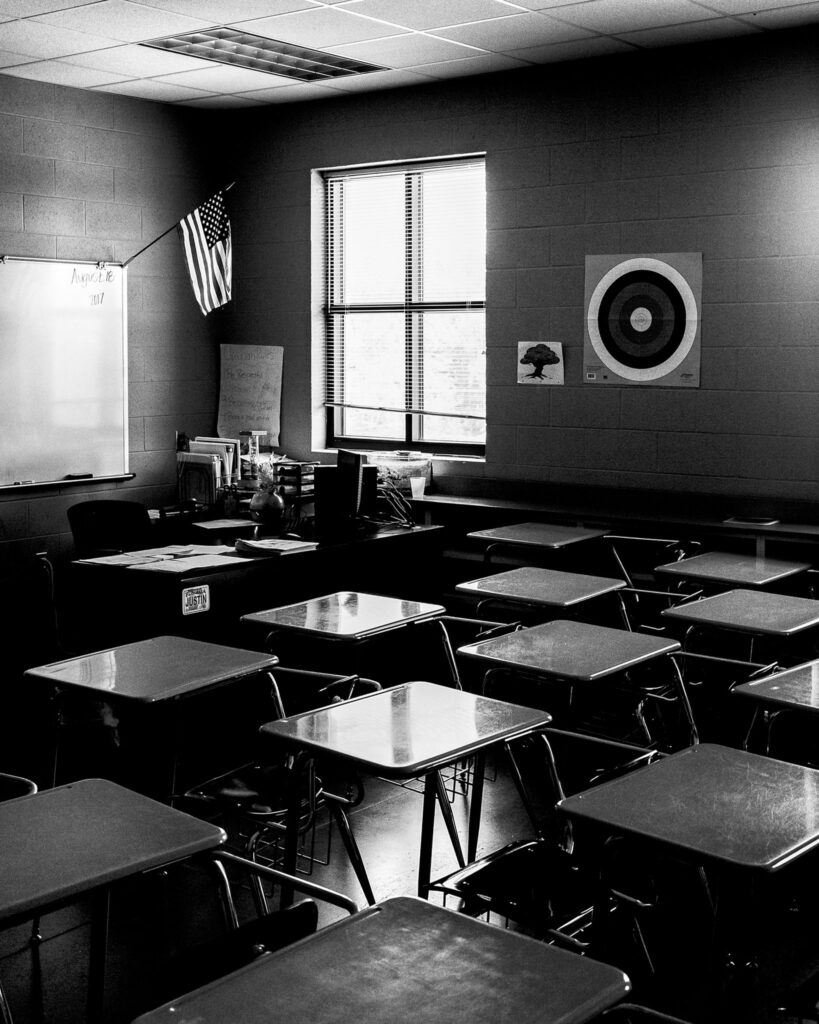
Those 20 foundations, all established during the 1960s and 1970s, got more than $20 million from the state in the beyond three years alone. None mirrored the socioeconomics of their networks. Hardly any even came close.
Upper east Foundation, a little Christian school in rustic Northampton District on the Virginia line, is among them. As of the 2021-22 study, the school’s enlistment was very nearly 100% white in a region that runs around 40% white.
Consistently since North Carolina sent off its state-subsidized tuition based school voucher program in 2014, the foundation has gotten increasingly more cash. Last school year, it got about $438,500 from the program, close to half of its all out detailed educational cost. Upper east is on target to beat that all out this school year.
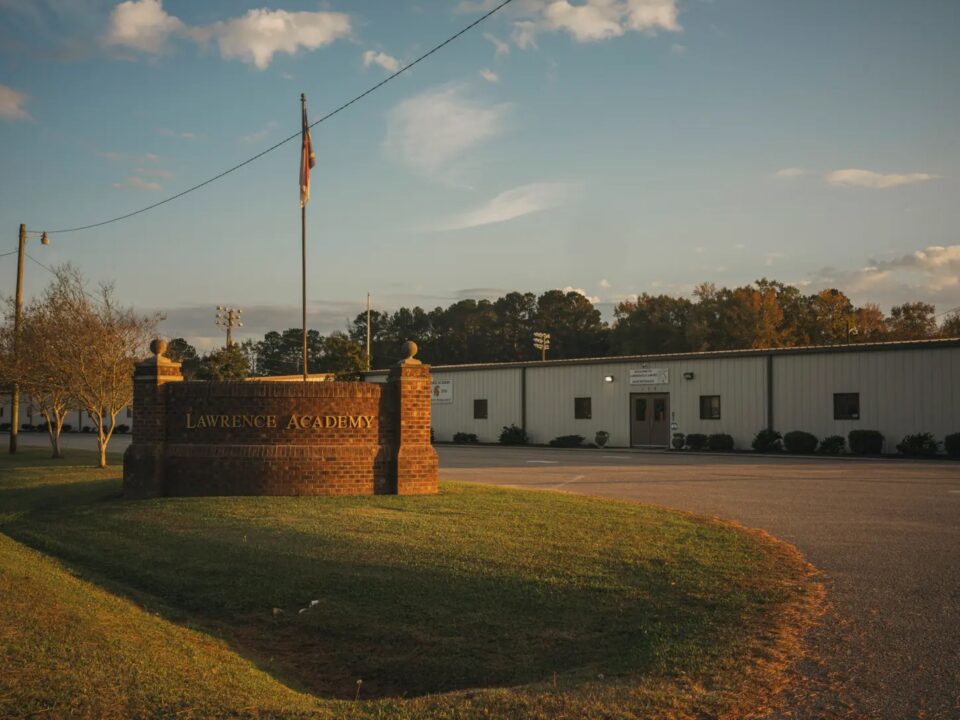
Vouchers assume a comparative part at Lawrence Foundation, an hour’s drive south. It has never revealed Dark enlistment higher than 3% in a region whose populace floats around 60% Dark. A little school with under 300 understudies, it got $518,240 in vouchers last school year to help pay for 86 of those understudies.
Farther south, Pungo Christian Institute has gotten voucher cash consistently beginning around 2015 and, starting around the last overview, had become somewhat more white than when the voucher program started. It last detailed an understudy body that was 98% white in a district that was 65% white.
Isolation foundations that remain tremendously white keep on assuming a vital part in propagating school isolation — and, thus, racial division in the encompassing networks. We found these foundations profiting from public cash in Southern states past North Carolina. But since North Carolina gathers and deliveries more complete information than numerous different states, it offers a particularly telling window into what’s going on across this once legitimately isolated locale where councils are quickly extending and taking on dubious voucher-style programs.
Called Open door Grants, North Carolina’s voucher program sent off in 2014. From the beginning, it was exclusively for low-pay families and had scarcely in excess of 1,200 members. Then, at that point, the previous fall, state legislators extended qualification to understudies of all pay levels and those previously going to non-public school, a move that ignited incensed banter over the eventual fate of government funded training.
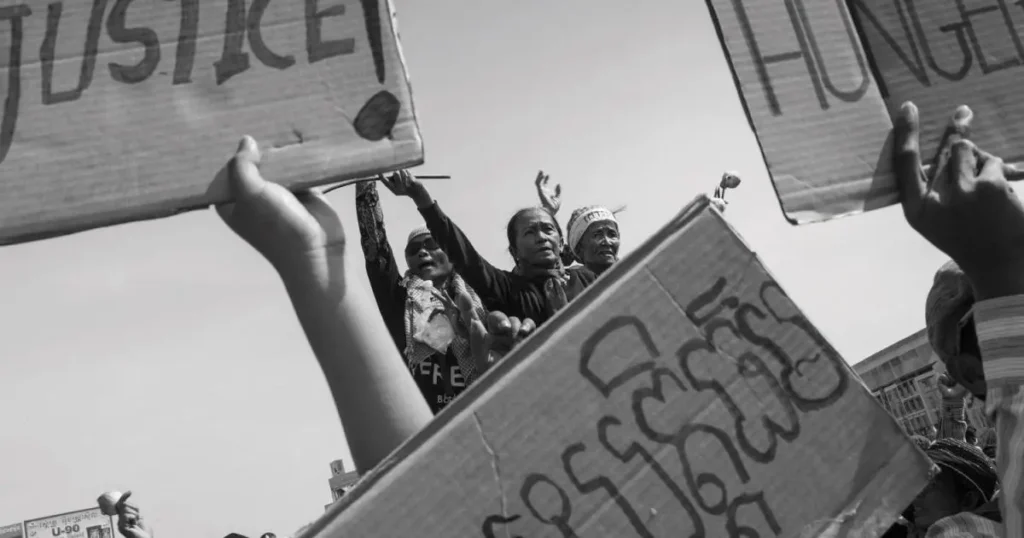
“We are guaranteeing that each youngster gets the opportunity to flourish,” Conservative Rep. Tricia Cotham contended. In any case, Vote based Rep. Julie von Haefen highlighted vouchers’ “tradition of racial domination” and referred to the development as “a gross treachery to the offspring of North Carolina.”
Such countless understudies ran to the program that the state presently has a shortlist of around 54,000 kids. Paying for every one of them to get vouchers — at an expense of $248 million — would over two times the ongoing number of members in the program. Conservatives in the Overall Gathering, alongside three leftists, passed a bill in September to do exactly that.
Gov. Roy Cooper, a leftist, rejected the action. Yet, the GOP supermajority is supposed to supersede it before the year’s end, maybe as soon as Nov. 19.
Opportunity Grants don’t generally satisfy their name for Dark youngsters. Non-public schools don’t need to concede any and all individuals. Nor do they need to give transporting or free feasts. Because of pay inconsistencies, Dark guardians likewise are less inclined to have the option to manage the cost of the distinction between a voucher that pays all things considered $7,468 every year and a yearly educational cost charge that can top $10,000 or even $20,000.
Furthermore, dissimilar to metropolitan regions that have a scope of tuition based schools, incorporating some with different understudy bodies, isolation foundations are the main tuition based schools accessible in a few provincial districts across the South.
Josh Cowen, a teacher of schooling strategy at Michigan State, concentrates on these obstructions and sees where vouchers miss the mark for some: “Qualification doesn’t mean access.”
